Australia is one of the most geographically diverse places on Earth. It is known for its unique wildlife and extreme contrasting weather conditions, where landscapes can change dramatically from one biome to another.
In one country, you can find ancient rainforests older than the dinosaurs, deserts shaped by survival over thousands of years, fire adapted savannahs, coral reefs filled with thousands of species, and even snowy alpine regions exposed to freezing winds.
It is a land where nature constantly pushes life to adapt in extraordinary ways.
Let’s explore five of its most remarkable biomes.
The Tropical Rainforest (Daintree Rainforest, Queensland)
“This rainforest was here before dinosaurs ruled the Earth!”
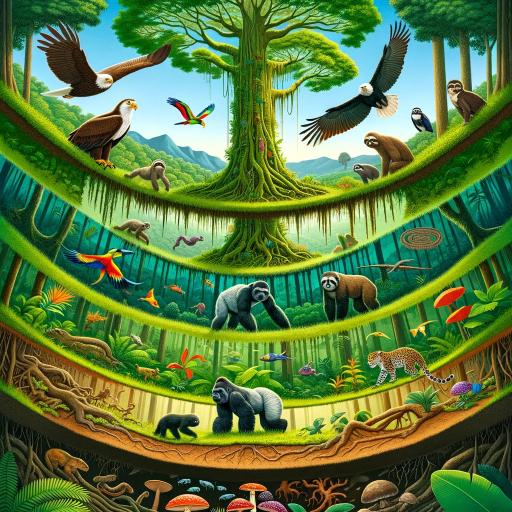
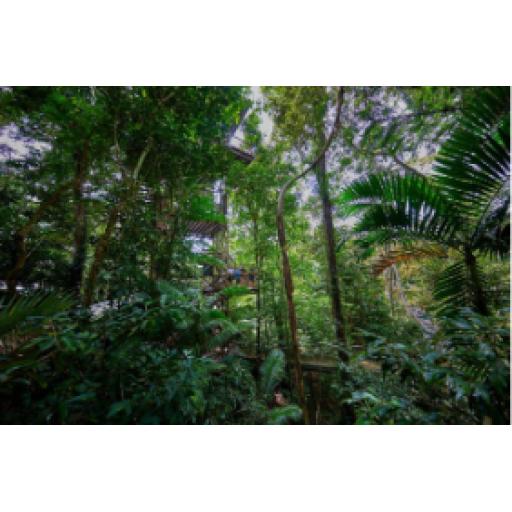
The Daintree Rainforest is one of the oldest rainforests on the planet, estimated to be over 180 million years old, even older than the dinosaurs themselves. The climate is hot, humid, and extremely wet, with heavy rainfall throughout the year. Thick vegetation grows in layers, and a dense canopy blocks most sunlight, creating a dark and humid world where everything competes for space.
The landscape is made up of towering trees with wide buttress roots that support them in the wet soil, while vines and ferns cover almost every surface.
Human settlement is limited. Indigenous communities have lived in and around the rainforest for tens of thousands of years, and today most modern development is restricted to the edges with strong conservation protection.
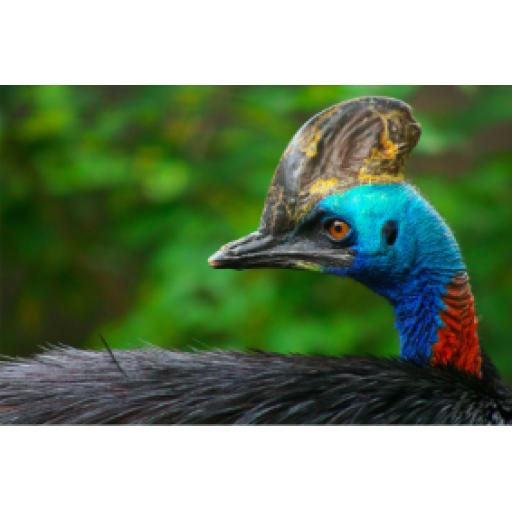
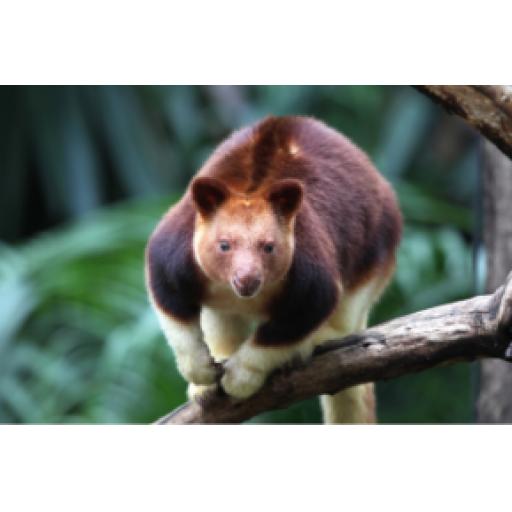
The cassowary moves through dense undergrowth using powerful legs and spreads rainforest seeds, while the tree kangaroo has adapted to life in the canopy, using strong limbs and gripping feet to move between branches in search of food and safety.
The Australian Outback Desert (Simpson and Great Victoria Deserts)
“A place where rain might not fall for years at a time!”
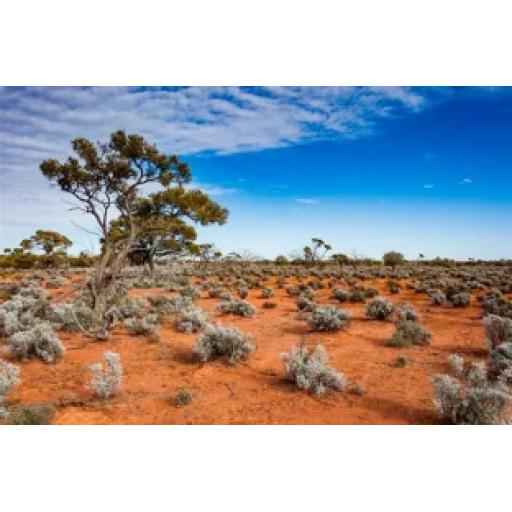
The Outback is one of the driest environments on Earth. The Simpson and Great Victoria Deserts experience extreme heat during the day, cold nights, and long periods without rainfall. The landscape stretches for thousands of kilometres with red sand dunes, rocky plains, and dry scrub.
Human settlement is sparse. Indigenous Australians have lived in these regions for over 60,000 years, while European exploration began in the late 1700s and 1800s as settlers searched for grazing land and minerals. The harsh conditions meant permanent settlements remained rare and widely spread.
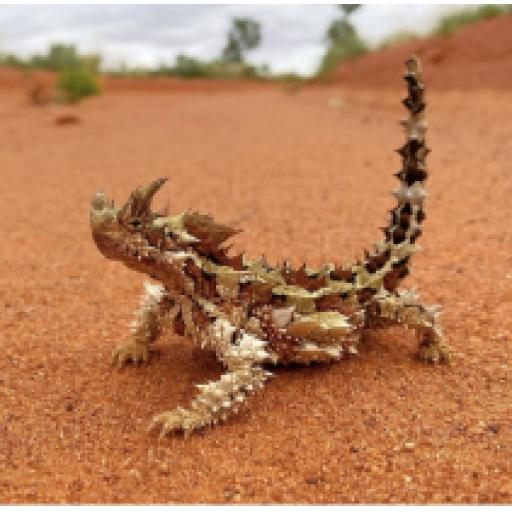
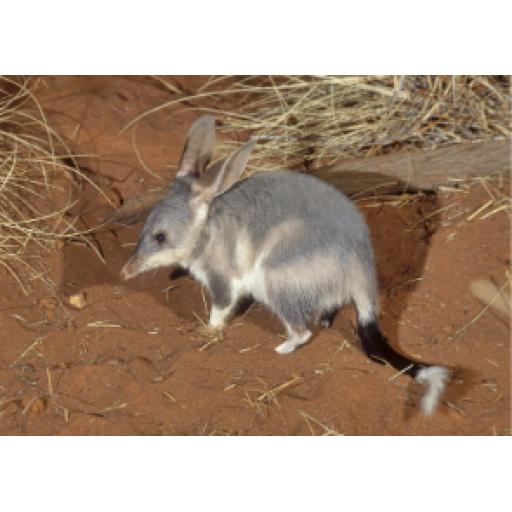
Animals here are highly adapted to survive without regular water. The thorny devil collects moisture through grooves in its skin, guiding dew directly to its mouth. The bilby avoids heat by living in deep burrows during the day and emerging at night, gaining moisture from food rather than drinking.
The Savanna Woodlands (Northern Australia)
“A land of fire, flood, and survival!”
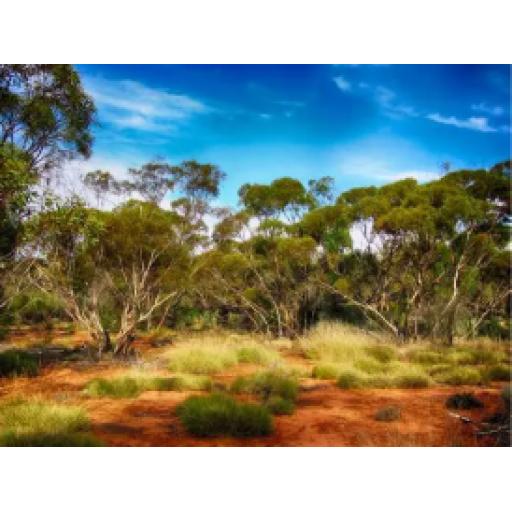
Northern Australia’s savanna has two extreme seasons. The wet season brings heavy rain and flooding that transforms the land into green grasslands. The dry season brings heat, drought, and frequent bushfires that naturally reshape the environment.
One major example was the 2019 to 2020 bushfire season, which burned over 50 million hectares across Australia. Savanna regions were heavily affected, with habitats destroyed, wildlife displaced, and impacts felt by Indigenous communities and rural stations. Despite this, fire remains a natural and important part of the ecosystem.
Plants such as eucalyptus have thick bark that protects them from heat, while their seed pods often open only after fire. Spinifex grass regrows quickly after burning and helps stabilise soil.
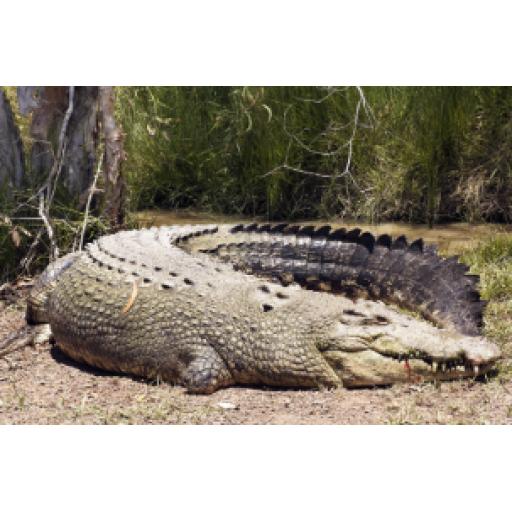
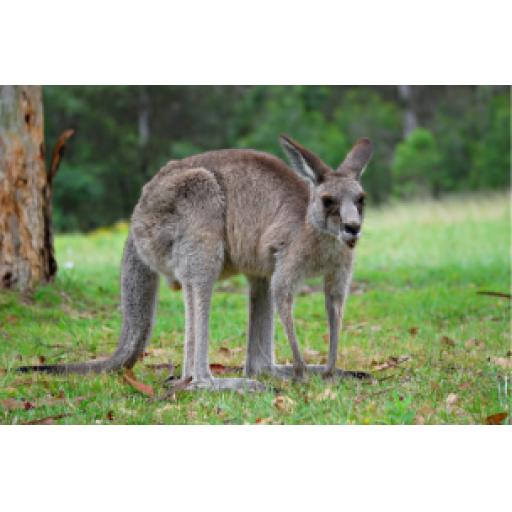
The saltwater crocodile survives by conserving energy in rivers and wetlands, while the kangaroo adapts by feeding during cooler hours and reducing activity during extreme heat to conserve water and energy.
The Great Barrier Reef (Marine Biome)
“A living underwater city you can see from space!”
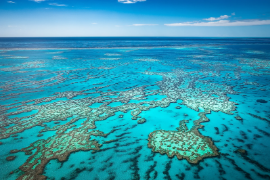
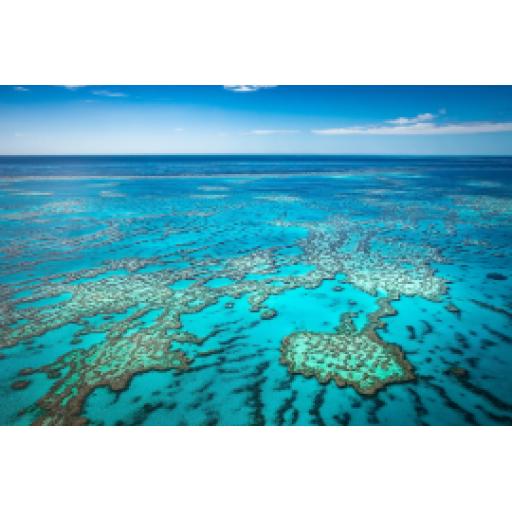
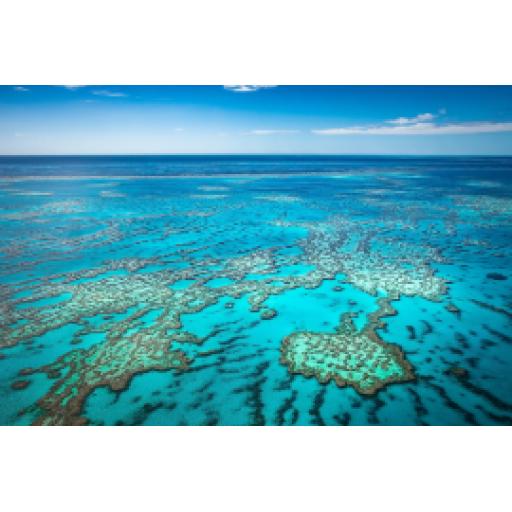
The Great Barrier Reef is the largest coral reef system in the world, stretching over 2300 kilometres along Australia’s northeast coast. It contains over 1500 species of fish, around 400 types of coral, and thousands of other marine species, making it one of the most diverse ecosystems on Earth.
It is also one of the most protected environments in the world. In 1975, the Great Barrier Reef Marine Park was created. This established one of the largest marine protected areas on the planet, introducing fishing controls, tourism regulations, and long-term conservation programs. It has played a major role in protecting reef habitats, although climate change continues to threaten its survival.
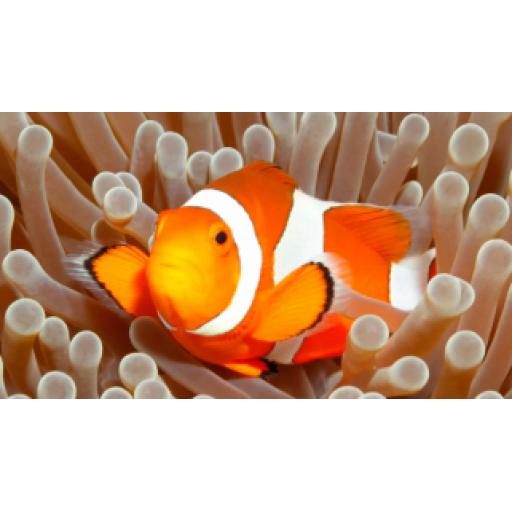
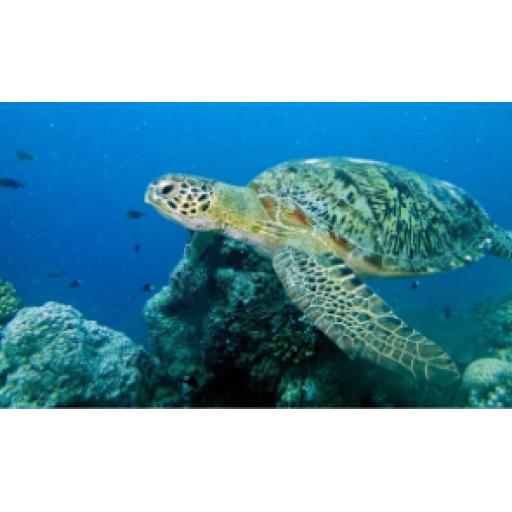
The clownfish lives safely among sea anemones, protected by a mucus layer that prevents it from being stung, while also helping the anemone gain nutrients. The green sea turtle uses the reef as a feeding and nesting ground, relying on seagrass beds and coral shelter throughout its life cycle.
The Alpine Biome (Australian Alps)
“Snow in Australia, and freezing winds shape this mountain world!”
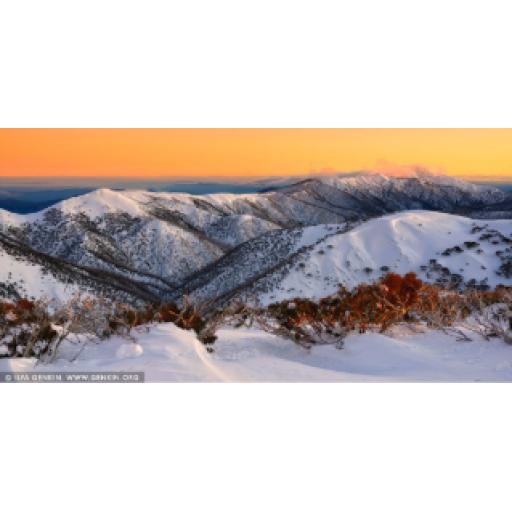
The Australian Alps are the coldest region of mainland Australia. In winter, heavy snow covers the mountains and strong icy winds sweep across exposed peaks. Temperatures regularly drop below freezing, creating a short growing season and harsh survival conditions.
Cold air masses from southern regions can bring sharp temperature drops across southeastern Australia, especially in high altitude areas.
Human settlement is limited to small alpine towns and ski resorts, while much of the region is protected as national parkland.
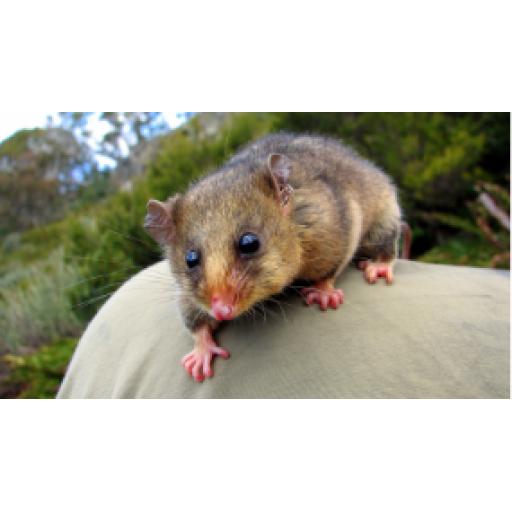
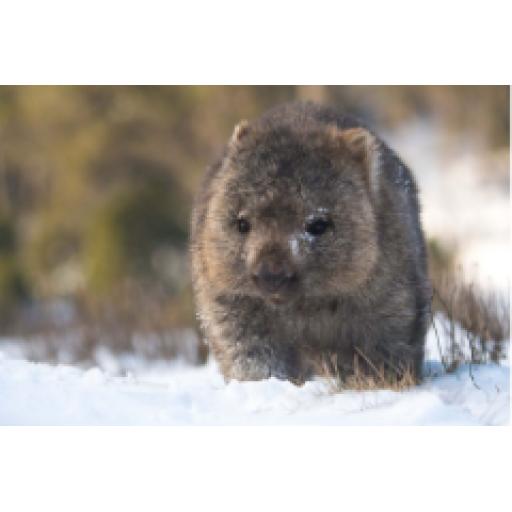
The mountain pygmy possum survives winter by hibernating and living off stored fat reserves until spring. The wombat also adapts to the cold by living in deep burrows that protect it from freezing winds and allow it to regulate body temperature.
Final Thoughts
Australia is not one landscape but a continent of extremes. From ancient rainforests older than dinosaurs to deserts shaped by survival, fire driven savannahs, coral reef ecosystems, and frozen alpine peaks, each biome tells a different story of adaptation.
Life in Australia can be extremely challenging for humans due to its harsh and varied environments. Large areas of the country are too hot, too dry, too remote, or too environmentally fragile for dense settlement. This is one of the main reasons why Australia has a relatively small population compared to countries like the United Kingdom, even though its landmass is vastly larger.
Australia has a population of around 27 million people, while the United Kingdom has around 69 million people. However, Australia is over 30 times larger in land area, covering approximately 7.7 million square kilometres compared to the UK’s 243,000 square kilometres. Because of this, most Australians live in coastal cities where conditions are more suitable for housing, farming, and transport, leaving vast inland regions very sparsely populated.
These extreme environments have also shaped Australia’s wildlife in remarkable ways. Because animals have had to adapt to such a wide range of conditions, from desert heat to rainforest humidity and alpine cold, Australia is home to some of the most unusual and specialised species on Earth. Kangaroos, cassowaries, bilbies, crocodiles, and many others have evolved unique survival strategies that allow them to thrive in environments that would challenge most other species.
Australia is a place where weather defines life, and life constantly evolves to survive against the odds.